
"Seven species"
1000 article(s) found

Description and introduction of flavor and taste characteristics of Panamanian Kasha coffee varieties
Species of Geisha were discovered in the Rose Summer Forest of Ethiopia in 1931 and sent to the Coffee Research Institute in Kenya, introduced to Uganda and Tanzania in 1936, introduced to Costa Rica in 1953, and Panama was introduced in the 1970s by Mr. Francico Serraxin of the Tonba Seven Farm Garden from CATIE in Costa Rica and began to grow Rose Summer Coffee. G

Introduction of Pacamara hand-made coffee in Guatemalan forest manor
Professional coffee knowledge exchange more coffee bean information please follow the coffee workshop (Wechat official account cafe_style) the coffee beans produced in Guatemala with seven major coffee producing areas are all Arabica, all located in the highland topography of the subtropical climate, rich and stable rainfall, fertile volcanic ash soil, so that all parts of the dangerous country have a natural environment that is very suitable for coffee cultivation.

A detailed introduction of the coffee production areas of Costa Rica on behalf of coffee from Central America.
For the exchange of professional baristas, please follow the Coffee Workshop (official Wechat account cafe_style). There are seven countries in Central America, namely, Belize, Costa Rica, El Salvador, Guatemala, Honduras, Nicaragua and Panama. All seven countries in Central America produce coffee, among which Guatemala, Costa Rica and Honduras are global coffee exporters.

Rose Coffee the latest introduction of Ethiopian boutique coffee
The species of Geisha was discovered in the Rose Summer Forest of Ethiopia in 1931 and sent to the Coffee Institute in Kenya; it was introduced to Uganda and Tanzania in 1936, in Costa Rica in 1953, and Panama was introduced in the 1970s by Francesca of Dongba Seven Farm Garden. Mr. Serraxin got the seeds from CATIE in Costa Rica and started growing Rosa Coffee because

Introduction of charming and fragrant Rosa coffee boutique coffee beans
The species of Geisha was discovered in the Rose Summer Forest of Ethiopia in 1931 and sent to the Coffee Institute in Kenya; it was introduced to Uganda and Tanzania in 1936, in Costa Rica in 1953, and Panama was introduced in the 1970s by Francesca of Dongba Seven Farm Garden. Mr. Serraxin got the seeds from CATIE in Costa Rica and started growing Rosa Coffee because

Nicaraguan Coffee Variety in Madaguelba Coffee producing area
For more information on coffee beans, please follow the Coffee Workshop (Wechat official account cafe_style) Central America is a land bridge connecting North and South America. There are seven countries, namely, Belize, Costa Rica, El Salvador, Guatemala, Honduras, Nicaragua and Panama. Coffee is produced in seven Central American countries, including Guatemala, Costa Rica and Acer.

Taste of Brazilian Queen Manor fragrance types and prices of Brazilian Queen Coffee
Professional barista exchanges please follow the coffee workshop (Wechat official account cafe_style) Manor introduction: Fazenda Rainha is owned by the famous and respectable coffee family Carvalho Dias family. The four major estates under Carvalho Dias have won awards every year since the first Brazilian COE Competition in 1999, and have won more than 12 awards in the past seven years.

Introduction to the description of the variety and flavor of coffee beans in Caesar Louis Manor, Panama
Species of Geisha were discovered in the Rose Summer Forest of Ethiopia in 1931 and sent to the Coffee Research Institute in Kenya, introduced to Uganda and Tanzania in 1936, introduced to Costa Rica in 1953, and Panama was introduced in the 1970s by Mr. Francico Serraxin of the Tonba Seven Farm Garden from CATIE in Costa Rica and began to grow Rose Summer Coffee.

Flavor and taste characteristics of washed coffee beans in Kafum treatment Plant of Tuanhuang Cooperative in Kayanza Province, Burundi
Professional coffee knowledge exchange more coffee bean information please follow Coffee Workshop (Wechat official account cafe_style) Product name: Kafm treatment Plant of Tuanhuang Cooperative, Kayanza Province, Burundi, washing # 3 (Burundi Kayanza Twaranyuzwe Cooperative Kavumu CWS Bourbon Washed # 3) Flavor description: pink grapefruit, sugared kumquat, lemon-like acid
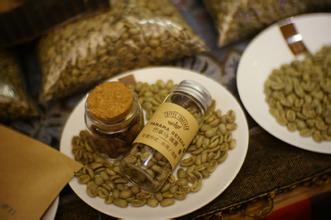
The latest introduction of boutique coffee raw bean Rosa coffee
The species of Geisha was discovered in the Rose Summer Forest of Ethiopia in 1931 and sent to the Coffee Institute in Kenya; it was introduced to Uganda and Tanzania in 1936, in Costa Rica in 1953, and Panama was introduced in the 1970s by Francesca of Dongba Seven Farm Garden. Mr. Serraxin got the seeds from CATIE in Costa Rica and started growing Rosa Coffee because

Introduction to the flavor and taste characteristics of Esmeralda Manor in Panama with fruit flavor
Species of Geisha were discovered in the Rose Summer Forest of Ethiopia in 1931 and sent to the Coffee Research Institute in Kenya, introduced to Uganda and Tanzania in 1936, introduced to Costa Rica in 1953, and Panama was introduced in the 1970s by Mr. Francico Serraxin of the Tonba Seven Farm Garden from CATIE in Costa Rica and began to grow Rose Summer Coffee. G

What's the flavor of Panamanian Don Pepe Manor bourbon Coffee? is Panamanian coffee the best coffee?
Professional coffee knowledge exchange more coffee bean information please follow the coffee workshop (Wechat official account cafe_style) in 1996, in the period of the lowest international coffee prices, seven coffee estates in Boquete and Volcan areas saw the dawn of the era of specialty coffee, organized and established the Panamanian boutique coffee association (Specialty Coffee Association of Pana)

Boutique coffee beans Rosa coffee the latest coffee flavor introduction is full of taste
The species of Geisha was discovered in the Rose Summer Forest of Ethiopia in 1931 and sent to the Coffee Institute in Kenya; it was introduced to Uganda and Tanzania in 1936, in Costa Rica in 1953, and Panama was introduced in the 1970s by Francesca of Dongba Seven Farm Garden. Mr. Serraxin got the seeds from CATIE in Costa Rica and started growing Rosa Coffee because

What coffee beans do you recommend for hand-brewing coffee? Burundian Cayanza Cooperative Buy
Professional coffee knowledge exchange more coffee bean information please follow the coffee workshop (Wechat official account cafe_style) hand-brewed coffee beans recommend hand-brewed coffee beans name: Cayanza cooperative Bui processing plant in Kayanza province, Burundi (Burundi Kayanza Sogestal Kayanza Bwayi CWS Bourbon Washed) Flavor description: citrus flavor

Flavor description of Panama Kasha Coffee Cooperative introduction to planting environment of varieties in producing areas
Species of Geisha were discovered in the Rose Summer Forest of Ethiopia in 1931 and sent to the Coffee Research Institute in Kenya, introduced to Uganda and Tanzania in 1936, introduced to Costa Rica in 1953, and Panama was introduced in the 1970s by Mr. Francico Serraxin of the Tonba Seven Farm Garden from CATIE in Costa Rica and began to grow Rose Summer Coffee. G

The auction price of the best Panamanian raw bean contest broke the record. What are the Rosa coffee beans like?
For more information on coffee beans, please follow the coffee workshop (Wechat official account cafe_style) Rose Summer Coffee (Geisha) was discovered in the rose forest of Ethiopia in 1931 and sent to the Coffee Institute in Kenya. It was introduced to Uganda and Tanzania in 1936, Costa Rica in 1953 and Panama in 1970.

Panamanian Cupid Coffee Flavor description Variety characteristics introduction of Fine Coffee Bean taste Grinding degree
Species of Geisha were discovered in the Rose Summer Forest of Ethiopia in 1931 and sent to the Coffee Institute in Kenya, introduced to Uganda and Tanzania in 1936, introduced to Costa Rica in 1953, and Panama was collected in the 1970s by Mr. Franci Coselazin of the Dongba Seven Farm Garden from CATIE in Costa Rica and began to grow Rose Summer Coffee. Gei

A brief introduction to the history and culture of the origin and development of Panamanian boutique coffee jadeite manor
Red bid Rose Xia participates in the global bidding auction in May every year. Green bid does not participate in the auction, but it is also of high quality and the price is slightly cheaper. Buyers who buy red bid can give priority to buying green bid. [flavor description]: oolong tea, peach, honey, fresh and comfortable, bright and balanced, strong hierarchical sense of aroma, the whole aroma and caramel sweetness wrapped together, entrance tongue

Introduction to the characteristics of seven major producing areas of manor flavor and taste in Kenyan coffee producing areas
This is the earliest classification of Kenyan coffee beans and is still in use in many parts of Brazil. The method of identification is to randomly take 300 grams of samples and put them on black paper, because black paper can best avoid reflection. Then, examined carefully by the professional appraiser, find out the defective beans in the sample, and accumulate different scores according to the types of defects. For example, one black bean counts as one point and one stone counts as one.

Introduction to the taste of supple and clear Panama Cupid boutique coffee beans
Species of Geisha were discovered in the Rose Summer Forest of Ethiopia in 1931 and sent to the Coffee Research Institute in Kenya, introduced to Uganda and Tanzania in 1936, introduced to Costa Rica in 1953, and Panama was introduced in the 1970s by Mr. Francico Serraxin of the Tonba Seven Farm Garden from CATIE in Costa Rica and began to grow Rose Summer Coffee. G